Plans for balcony gardening in 2025
Plans what to plant
Similar to last year (with some changes/additions)
- Strawberries: mostly the wild ones from parents’ garden
- Lots of flowers that are beautiful, attract pollinators, have different colours, last long: pansies, geraniums, poppy flowers, hollyhocks, nasturtiums, daisies. Different heights, so some can grow up a trellis (if I make one) and some can stick above the balcony railing. Possible not grow all of them from seeds again? That as a bit of a pain last year.
- Climbing plants on a trellis or the wall on the balcony: nasturtium? Would like to find something slightly different perhaps.
- Some herbs: mint (keep in a pot!).
- Some winterhard trees in pots? Maybe trees will have to wait another year. Depending on what I find.
- Berries: black raspeberries (from last year’s Malmö garden show) + new bushes: 3 raspberry bushes, 2 red/pink currant bushes
Different to last year
- No (or much less) pre-sowing and pre-growing inside. It took a lot of space, was a bit messy, and while it did work well (e.g. for tomatoes, sunflowers, nasturtiums, peppers, mint) I don’t want most of these plants this year.
- No sunflowers: they were pretty and it was nice that they are tall and peek over the railing, but they are 90% stalk and that doesn’t look so nice. When they dry they don’t look great either. Use a LOT of water.
- No tomatoes: I loved the lushness that the tomato plants brought last year, but they needed A LOT of constant watering. The tomatoes themselves didn’t actually taste that great (should’ve used a different variety?). It was a lot of biomass that I had to get rid of after the season.
- No peppers: The snack peppers were cute, but didn’t taste very nice and the plant didn’t look that impressive.
- Summer meadow flowers (poppies, margeruite, corn flowers) didn’t really work last year, which is strange because you’d think they grow on any kind of soil. But I need to look more into which soil and pH I have in the big tub and choose plants accordingly. Maybe I should also not sew everything from seed.
- Nasturtiums as climbing plants didn’t really work, the variety I had was more ground crawling.
Sow directly outside
April
May
Plant/place directly outside
Smultron
From parents’ garden: they are already in the tub from last year, and at least some of the seemed to have survived.
Raspberries
Black raspberries
Black raspberries, purchased at Malmö Garden show, 2024-05-25
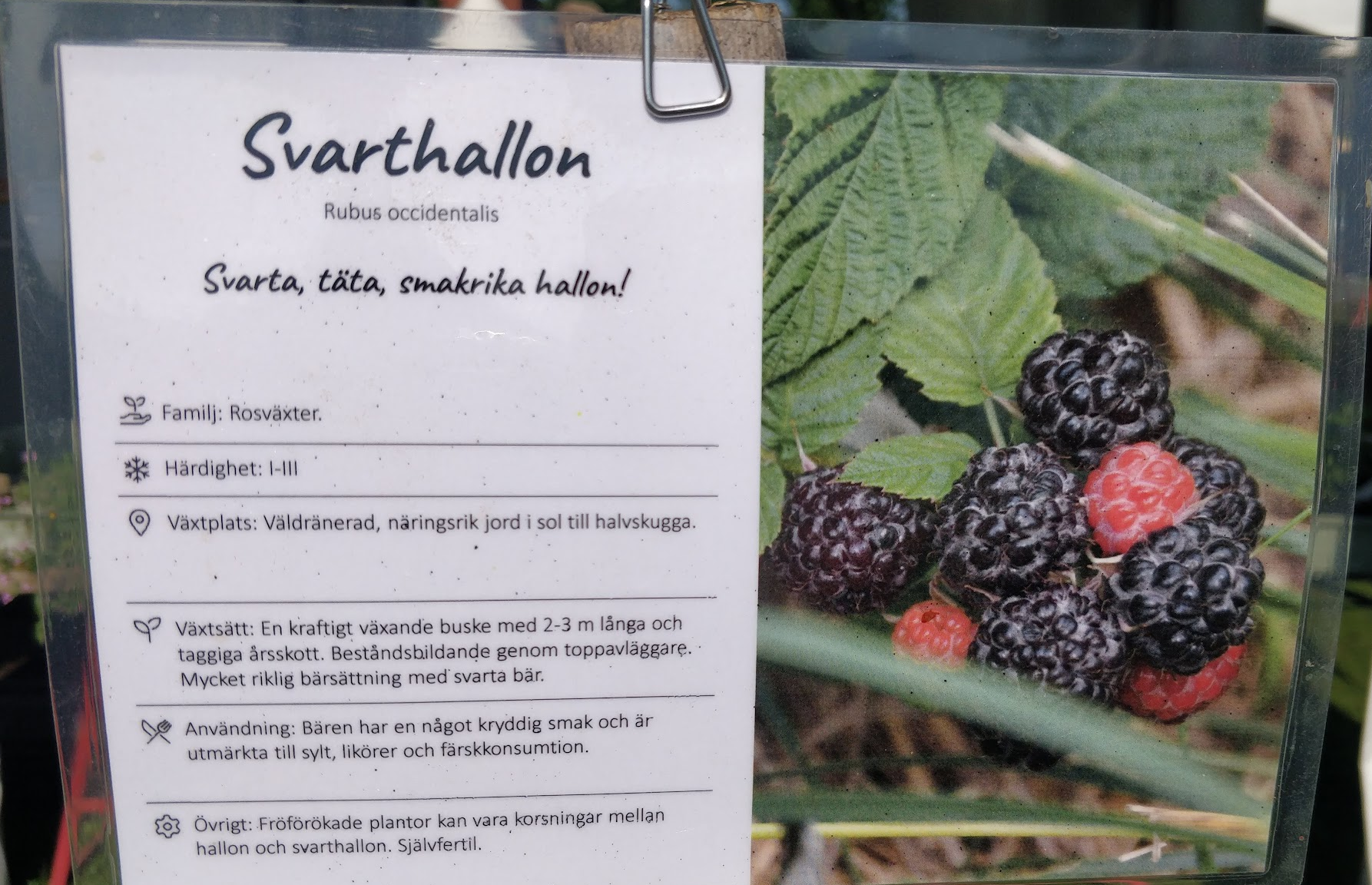
Red raspberries
- Mormors trädgårdshallon, purchased from Plantagen early April 2025
- Glen Ample trädgårdshallon, purchased from Plantagen early April 2025
- Polko hösthallon, purchased from Plantagen early April 2025
Ribisl (currant)
Trellis
- No drilling garden trellis with Sugru: https://www.youtube.com/watch?v=LNF3mYQG7sw
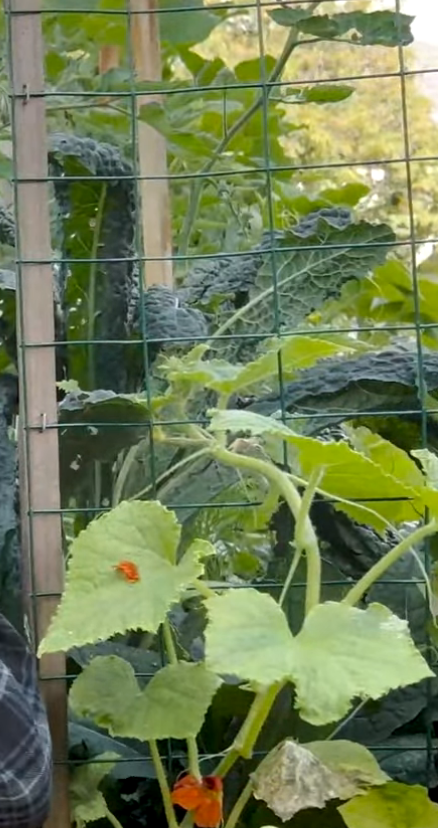
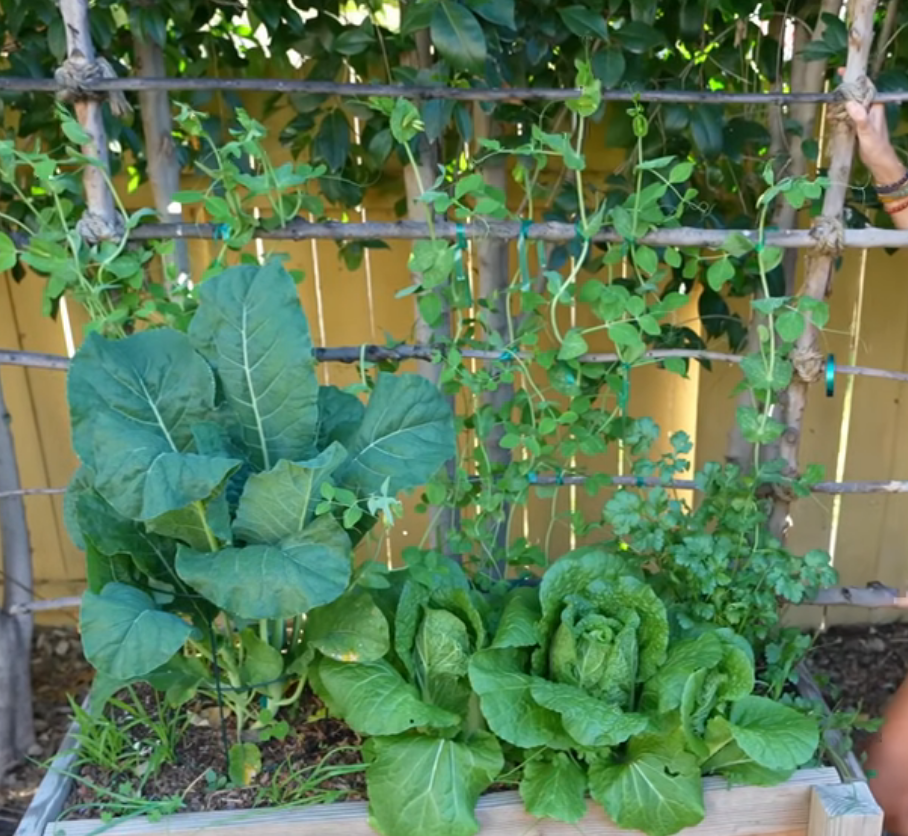
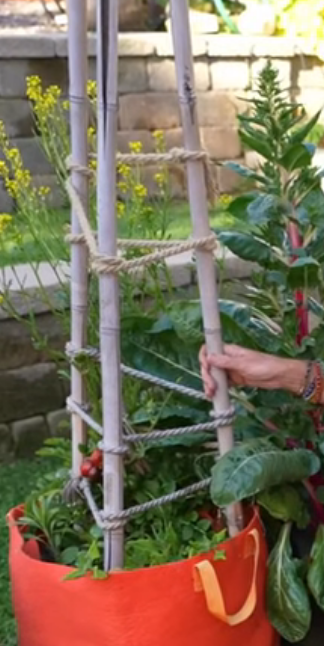
Different trellis options
https://www.youtube.com/watch?v=8G9SNoDiVms
Ladder trellis from old branches. Tie the rungs to the support poles with sturdy twine.
Teepee trellis from bamboo stalks. Supporting twine or string in the middle for support. Tie the sticks together on the top with twine as well.
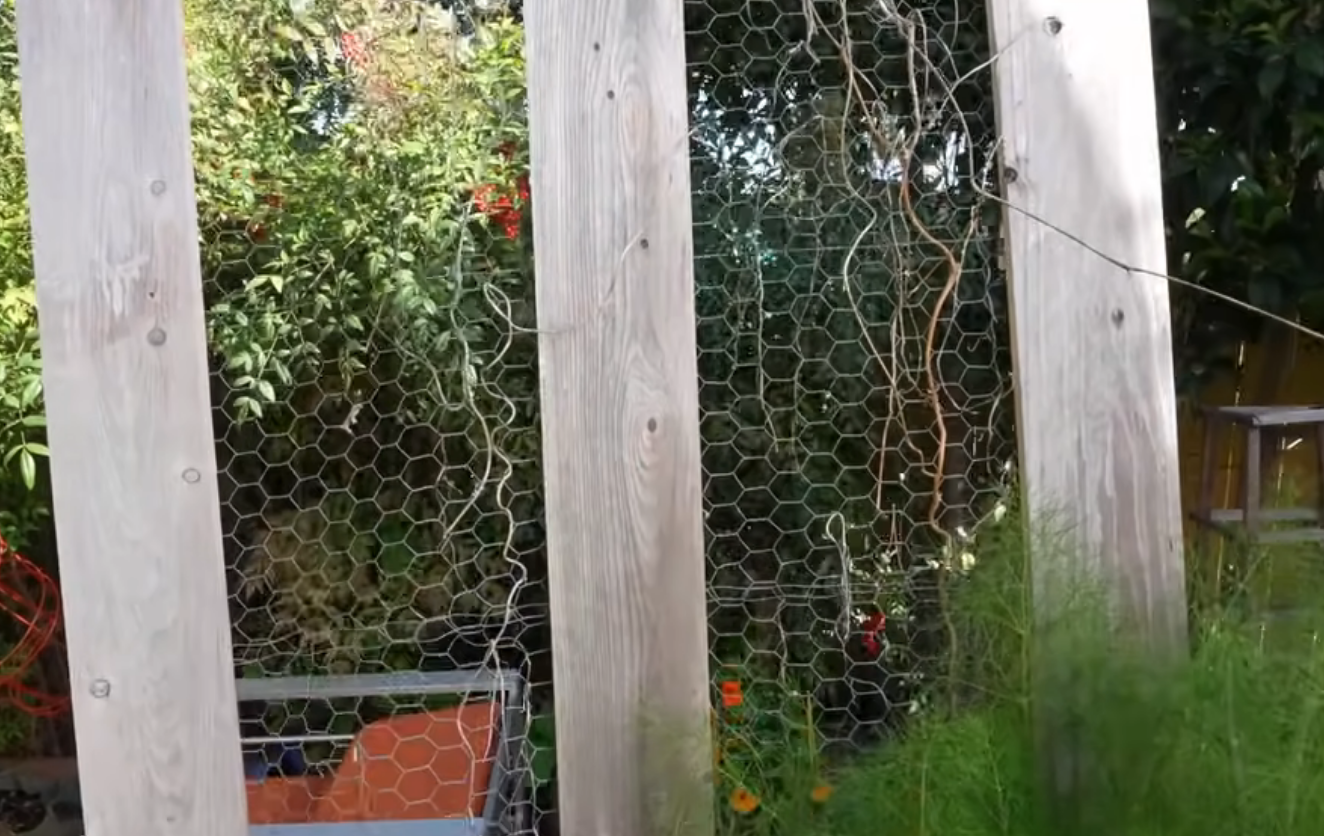
Chicken wire stapled to fence posts. Good for lighter vegetables.
Trees
Japanese maple (Fächerahorn, japansk lönn)
https://zetas.se/blogs/plantering-skotsel/japansk-lonn-i-kruka https://villalivet.se/tradgard/japansk-lonn/
Where to buy
- https://nordensgard.se/produkt/japansk-rodlovad-lonn-60-80-cm/
- 980 SEK, 60-80 cm tall at delivery
Vegetables & Herbs
Djungelgurka / Melothria scabra / cucamelon / pepquinos
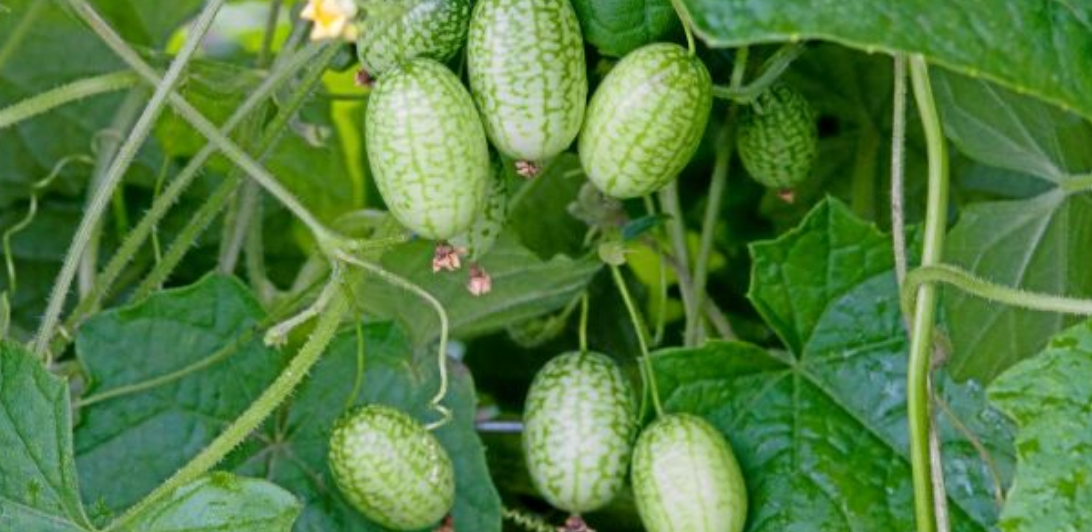
- Djungelgurka ‘Mouse Melon’ är en lättodlad ranka från Sydamerika med en intensiv tillväxt. Ger massor av små, 3-5 cm långa, vackra ovala grönrandiga frukter med mild sötsyrlig smak. Använd färsk i sallad eller inlagd.
- Såtid: Mars-april. Läge: Sol. Höjd: ca. 250 cm. Grotid: 7-14 dagar. Planteringsavstånd: 50 cm. Skördetid: Juli – september. Typ av växt: Ettårig.
- Provide support for climbing vines (e.g. trellis). Unsupported plants will sprawl in any direction.
- Så inomhus i mars-april i 20-25 grader. Håll jorden fuktig tills plantorna har etablerats. Använd genomskinligt lock med lufthål. Placera ljust och lite svalare efter grodd. Avhärda och plantera ut i växthus eller varm plats utomhus när frostrisken är över. Nyp av sidoskott om du vill begränsa storleken.
- Once they’re established cucamelons are quite drought tolerant.
- About a week after you see the first flowers, begin checking for ripe cucamelons. They tend to hide in the foliage, so look closely. Once they’re about an inch long, start picking. Pick them young (late July or early August).
- Open-pollinated and produce both male and female flowers on the same plant.
- Perfect for pickling.
Varieties
- https://zetas.se/products/djungelgurka-mouse-melon-melothria-scabra-mouse-melon. 59 SEK
- https://www.plantagen.se/djungelgurka-flerfargad-528903.html
Bay laurel (Gewürzlorbeer, Laurus nobilis)
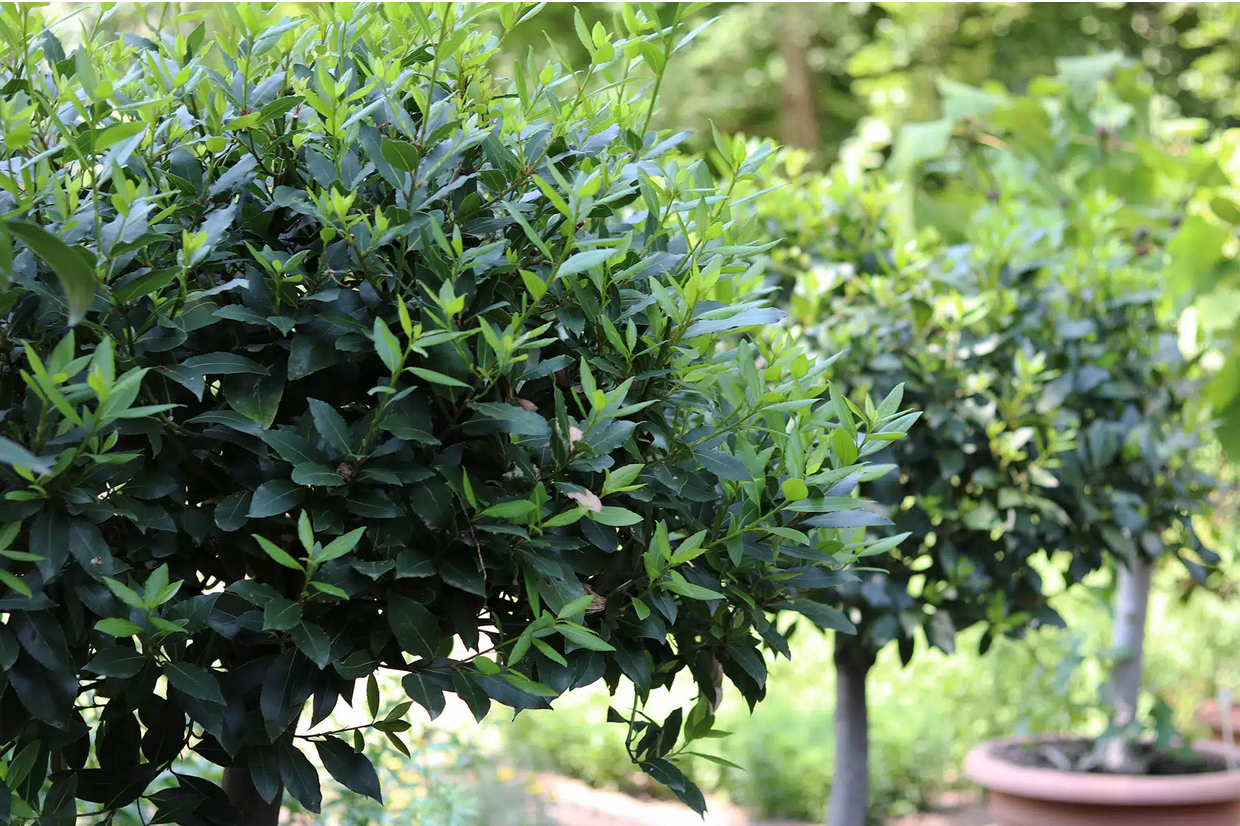
- Wuchshöhe: bis 500 cm
- lässt sich problemlos durch Schnitt kleinhalten
- Wuchs: aufrecht, kompakt, reich verzweigt
- Blütezeit: Mitte April bis Juni
- Blütenfarbe: gelbgrün
- Frucht: blauschwarz mit Glanz, bedingt genießbar
- Blätter werden als Gewürz verwendet
- Ernte der würzig schmeckenden Blätter ganzjährig möglich
- winterhart bis -10°C
Mint
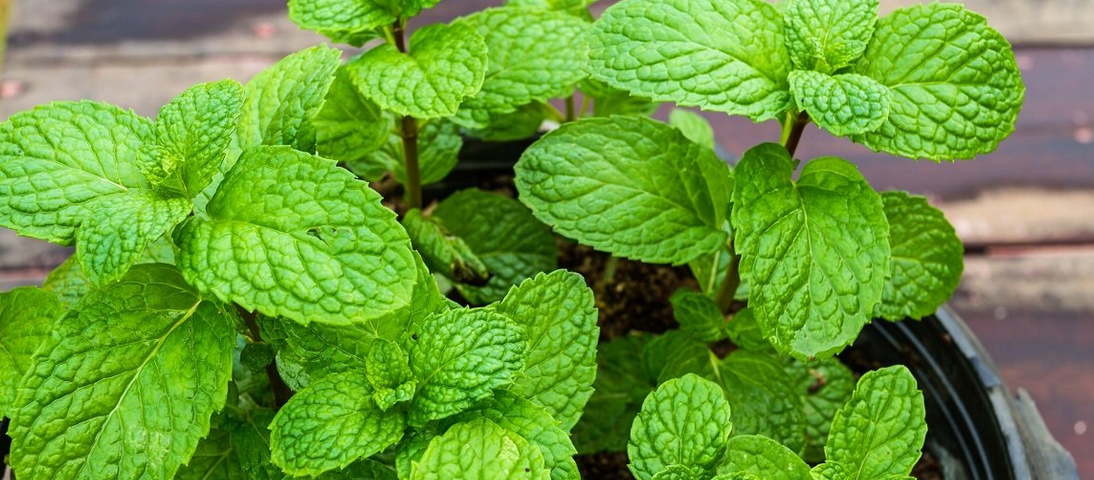
- Very easily grown from cuttings. Just put a freshly cut twig into some water until it forms roots.
- Best in pot that is wider than deep, bit like a salad bowl. Make sure it has drainage holes on the bottom.
- Grows best in partial shade and moist soil.
- Pick leaves regularly from the top to keep the plant bushy.
- Put inside for winter.
- Mint will flower in the summer. When a stem has flowered, cut it back to 5 cm to encourage nice new, tidy growth.
- After 1-2 years when the plant starts to look tired, separate out a fresh-looking bit and replant into a new pot.
Varieties
- Pepparmynta: https://www.plantagen.se/pepparmynta-535119.html
Tomatoes

- Easy to grow from seeds. Start them off on a windowsill in mid-March. Keep the soil moist, you should have seedlings within 2 weeks. Plant outside in mid-May.
- Keep moist, warm and sunny. Feed regularly with tomato fertiliser.
- Pinch of trusses after 5-6 have appeared to encourage fruits instead of growing just the plant.
- Provide support for vines if they grow upwards.
Varieties
- Pärontomat “Perun”. Yellow: https://www.blomsterlandet.se/produkter/vaxter/froer/gronsaksfroer/tomat-aubergin/parontomat-perun-169327/
- Körsbärstomat “Ildi”. Yellow: https://www.blomsterlandet.se/produkter/vaxter/froer/gronsaksfroer/tomat-aubergin/korsbarstomat-ildi-169324/
- Körsbärstomat F1 “Sungold”. Orange: https://www.plantagen.se/korsbarstomat-f1-sungold-gul-536043.html
- Plommontomat “Celsior”. Red: https://www.plantagen.se/plommontomat-celsior-rod-554471.html
- Pärontomat “Pear shaped yellow”. Yellow: https://www.plantagen.se/parontomat-pear-shaped-yellow-524967.html
Grass
Pampasgräs
Rött pampasgräs “Pink feather”
Flowers
Nasturtium / Tropaeolum / Krassesläktet / Kapuzinerkresse
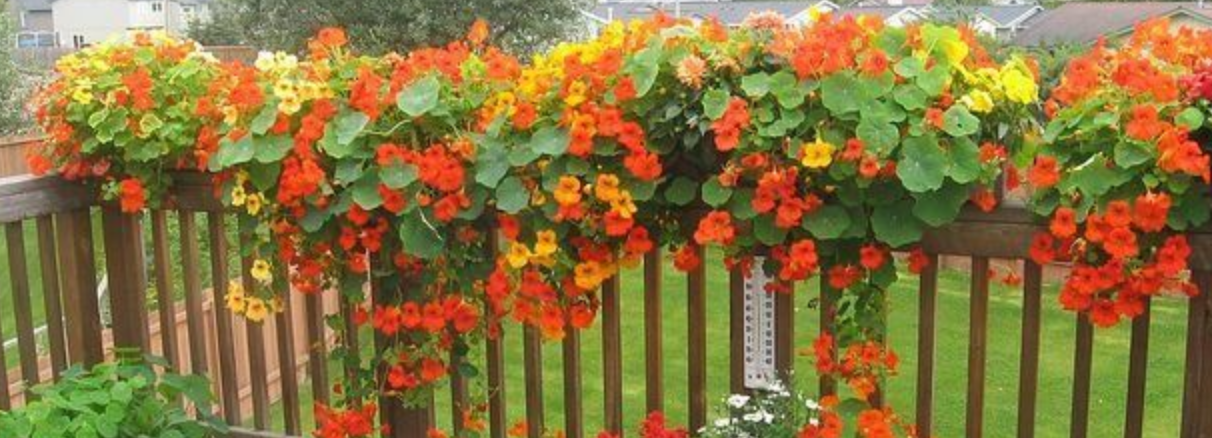
- Unkompliziert im Eierkarton vorziehen oder direkt in Balkonkübel säen (ab Mai). Innerhalb von 6 Wochen zeigen sich die ersten Blüten. 5 cm Abstand zwischen den Samen lassen, 1 cm tief drücken und mit Erde bedecken. Erde gut wässern und mit Folie abdecken. Sobald die ersten Blätter kommen (14 Tage), Folie entfernen.
- Sehr wuchsfreudig. Triebe werden bis zu 3 m lang.
- Töpfe sollten min. 30 cm Durchmesser haben, sonst trocknen sie zu schnell aus. Braucht viel Wasser wegen der vielen Blätter. Im Sommer bis zu 2x täglich gießen.
- Lieben Sonne, je sonniger desto mehr Blüten. Nicht düngen, das unterstützt die Blatt- aber nicht die Blütenentwicklung!
- Rankhilfe wenn sie vertikal wachsen soll.
- Nicht wählerisch und wird bis zum Frost unermüdlich blühen. Leicht zu pflegen.
- Blätter, Knospen und Blüten sind essbar. Unreife Samen kann man einlegen wie Kapern.
- Vor dem aussäen, Samen über Nacht in Wasser legen damit sie weicher werden.
Varieties
- Buskkrasse “Alaska”. Halvlånga rankor för amplar, lådor och kanter: https://www.blomsterlandet.se/produkter/vaxter/froer/blomsterfroer/rabattblommor/buskkrasse-alaska-73556/
- Slingerkrasse mix, får 1,5 meter långa rankor.: https://www.blomsterlandet.se/produkter/vaxter/froer/blomsterfroer/klattervaxter/slingerkrasse-mix-65357/
- Slingerkrasse mix, får 1,5 meter långa rankor: https://www.blomsterlandet.se/produkter/vaxter/froer/blomsterfroer/klattervaxter/slingerkrasse-mix-62347/
- Slingerkrasse “Jewel of Africa”. Mycket blomvillig. Utmärkt slingerväxt och marktäckare.: https://www.blomsterlandet.se/produkter/vaxter/froer/blomsterfroer/klattervaxter/slingerkrasse-jewel-of-africa-73550/
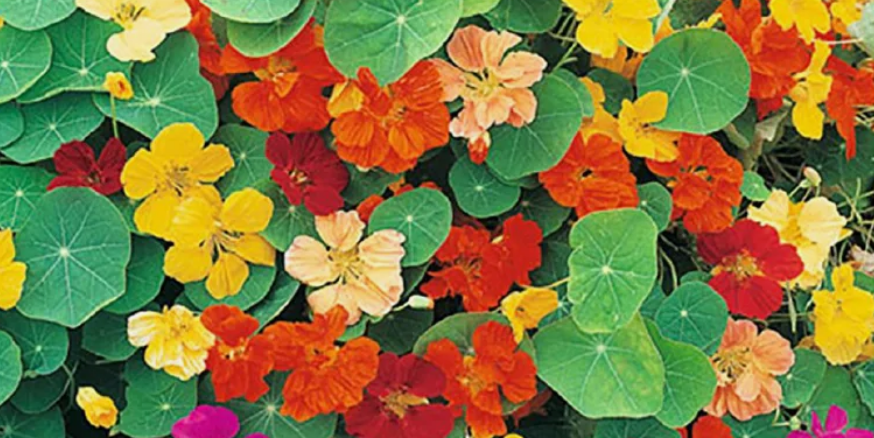
- Buskkrasse “Peach Melba”. Kompakta plantor med ljust gula, persikofärgade blommor. Fin som kantväxt, i balkonglådor, rabatter och stenparti.: https://www.blomsterlandet.se/produkter/vaxter/froer/blomsterfroer/rabattblommor/buskkrasse-peach-melba-6922/
- Slingerkrasse: https://www.blomsterlandet.se/produkter/vaxter/froer/blomsterfroer/klattervaxter/slingekrasse-6926/
Geranium/pelargonium
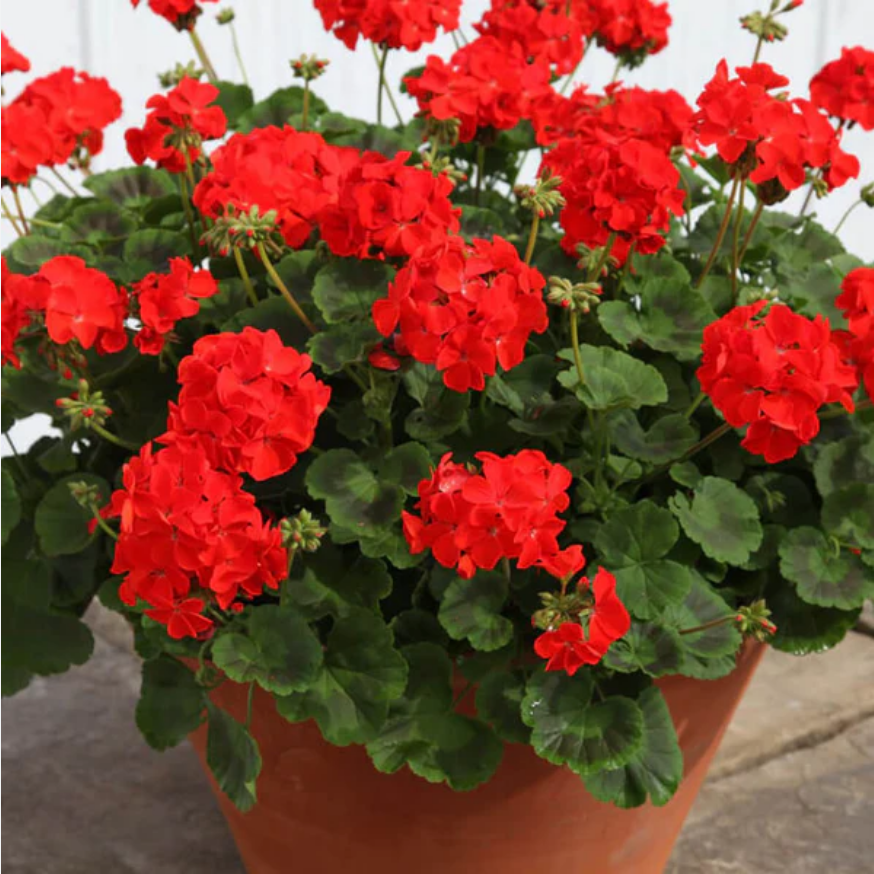
- Popular choice for containers and hanging baskets as they grow basically anywhere.
- Sun-worshippers and can put up with some wind.
- Can be bought very cheap as plants or plugs. Water and repot. They don’t mind being crowded.
- Don’t like too much water: a soaking every week in summer when the top soil feels dry is enough.
- Can be kept outside in the winter in a sheltered spot. Only water once every few weeks, and after winter cut everything back to 5 cm above the soil to encourage new growth.
- Very easy to buy cheaply in garden centre, so maybe better than growing from seeds.
Osteospermum (daisy)
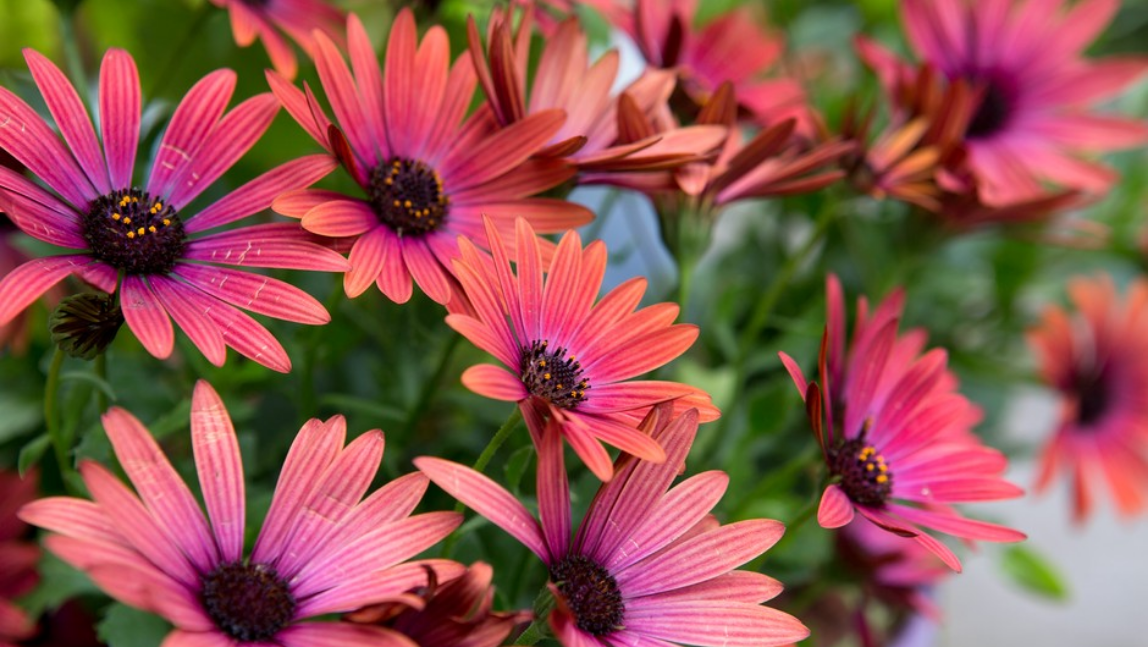
- Loves sun and can tolerate wind very well - can be hung over the balcony.
- Dozens of varieties available.
- Will spread out in the space that you give them, so they are a good choice to fill up empty corners in planters.
- Like sandy soil, but will grow basically in anything.
- Will wilt and look sad if it needs water. But generally doesn’t need large amounts of water.
- Dead-heading (i.e. cutting off tired looking flowers) will encourage new blooms. Do that regularly.
- They really benefit from a good trim halfway through the season (e.g. beginning of summer). Of all stems, cut off the top third. You’ll get a neater, bushier plant that will flower well into the autumn.
- Can be kept outside in the winter in a sheltered spot. Only water once every few weeks, and after winter cut everything back to 5 cm above the soil to encourage new growth.
- Take cuttings to have inside during the winter to be ready to plant outside next spring. Cut off fresh 10 cm stems from the plant, remove all leaves, put into a small pot with damp soil and keep in a warm spot out of direct sunlight. When roots appear, put into a proper pot in a bright spot.
Varieties
Pansies
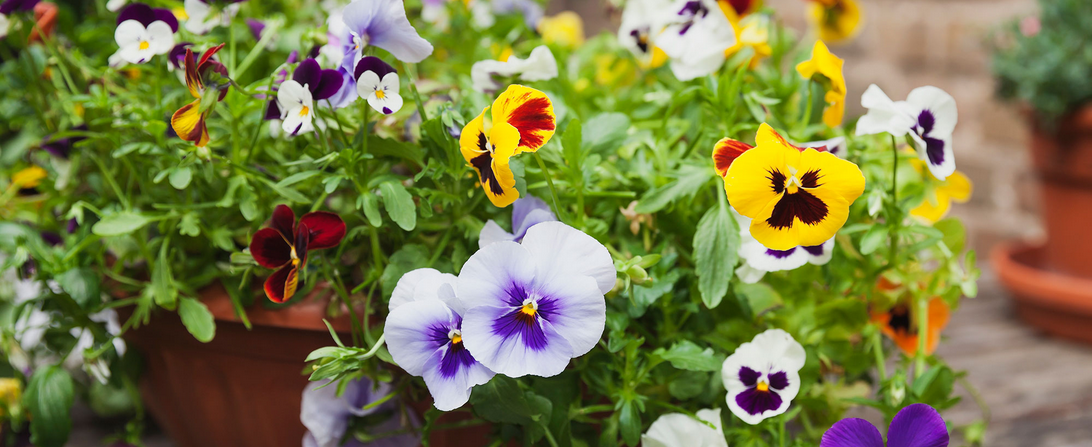
- Can be grown all year round, flower in any season, tolerate windy, wet and cold weather.
- Exist in every colour of the rainbow and are easy to grow from seeds.
- Like good drainage and moist soil, happy in sun or shade (but more likely to flower in sun). Warm temperatures and dry soil will cause them to suffer and get leggy.
- During flowering season, dead-head tired flowers once a week to keep the plant happy.
- Can be sown directly into soil, outside or inside. Inside in the warmth they will germinate sooner (within 1 week). When they have 8-10 leaves, plant them into a pot outside.
- Are happy in a container and will fill the space they’re given. Plant about 15 cm apart from each other.
- After several months of growing season, they will die down and put seeds into the ground. So you can just leave them grow for the next season.
- Very easy to buy them cheaply as plants in garden centre, so maybe better buy as plant than grow from seed.
Mohn/poppy/vallmo
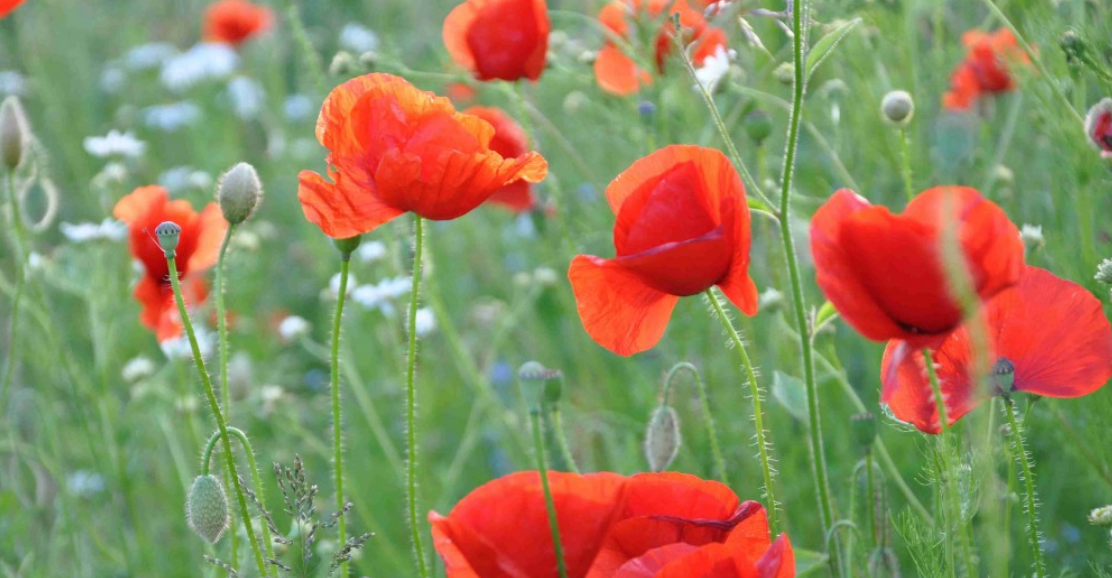
- Direkt im März/April aussäen und auf einen Abstand von 20-30 cm ausdünnen. Spätestens April, dann blühen sie noch im selben Jahr. 9 cm Topf mit Anzuchterde befüllen, Erde gießen, mit Zahnstocher 4 Samenkörner auf der Erdoberfläche verteilen, Erde über die Samen rieseln lassen (ca. 1 mm), vorsichtig mit der Brause-Gießkanne gießen. Erde immer feucht halten. Keimung nach ca. 2-3 Wochen. Wenn am Balkon gehalten, dann kann man direkt in Kübel säen.
- Pflegeleicht. Sonnig bis lichter Schatten. Sobald sich die Blätter krümmen, bewässern.
- Blütezeit Mai bis Ende September. Verblühtes regelmäßig entfernen um Selbstaussaat zu verhindern. Immer über einer Blattachsel schneiden. Hohe Sorten an einen Stock anbinden.
- Insektenmagnet.
- Besonders pflegeleichte Sorten: Türkischer Mohn, Falling in love, Goldmohn Butterbush, Rembrandt’s best, White delight, Black peony.
- Um Samen zu bekommen: Kapsel bis Ende Herbst auf der Pflanze reifen lassen. Dann die trockene Kapsel abschneiden und dunkel und trocken aufbewahren.
Varieties
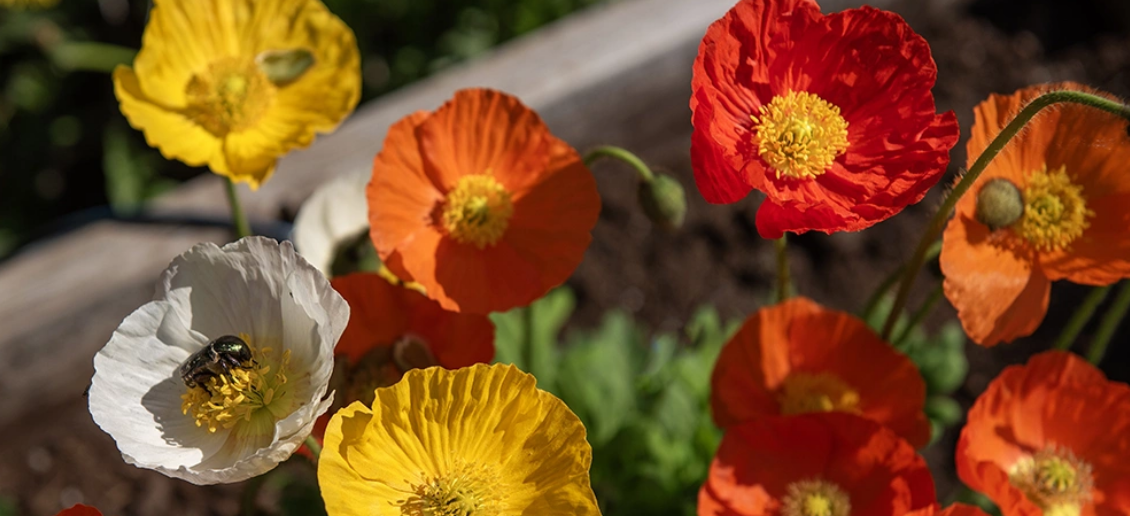
-
Sibirisk vallmo: https://www.blomsterlandet.se/produkter/vaxter/froer/blomsterfroer/blomstermix3/vallmo-sibirisk-7971/
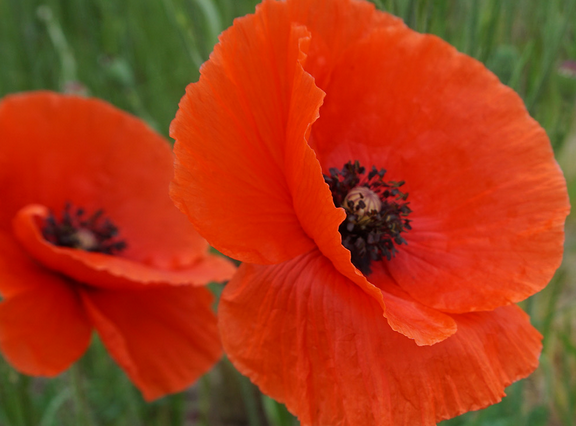
-
Kornvallmo: https://www.blomsterlandet.se/produkter/vaxter/froer/blomsterfroer/rabattblommor/kornvallmo-72718/
-
Red poppy: https://www.blomsterlandet.se/produkter/vaxter/froer/blomsterfroer/rabattblommor/vallmo-62319/
-
Orientvallmo “Red”: https://www.blomsterlandet.se/produkter/vaxter/froer/blomsterfroer/rabattblommor/orientvallmo-red-62314/
Jätteverbena / Patagonisches Eisenkraut / Argentinische Verben / Verbena bonariensis

- Einjährig, 15-30 cm, überhängend. Blütezeit Mai-Oktober. Je nach Sorte aufrecht oder kriechend, hängend oder kompakt. Stängel sind auffallend vierkantig. Verströmen einen leicht würzigen Duft und locken damit viele Schmetterlinge an.
- Nicht besonders anspruchsvoll. Sonnig und warm, vertragen gut sommerliche Hitze. Auch Wind und Regen machen ihnen generell nichts aus. Substrat soll etwas feucht und gut durchlässig sein. Gute Blumenerde und Ausrichtung nach Süden sind optimal.
- Oft gießen. Erde im Gefäß darf weder austrocknen noch staunass werden.
- Extrem frostempfindlich.
- Neuer Blütenwuchs wird durch entfernen der verwelkten Blütenbälle stimuliert. Regelmäßiges (wöchentliches) Düngen mit Blühpflanzendünger förder die Entwicklung neuer Blütenknospen.
- Im Spätsommer/Herbst Stecklinge (ca. 10 cm lange Triebspitzen) schneiden und drinnen in Anzuchterde an einem hellen, kühlen Platz überwintern. Wenn sich Wurzeln gebildet haben, in einen Topf setzen. Wenn sie im Mai groß und kräftig genug sind, auspflanzen.
- Varianten mit kräftigen und hängenden Trieben (z.B. für Ampeln): Samira, Empress, Lanai, Tapien.
Varieties
- Stor hängverbena “Imagination”. Fantastisk, rikblommande sort som bjuder på hela “vattenfall” av små, blåvioletta blommor.: https://www.blomsterlandet.se/produkter/vaxter/froer/blomsterfroer/rabattblommor/stor-hangverbena-imagination-72048/
Blåklint / Kornblume / Corn flower / Centaurea cyanus
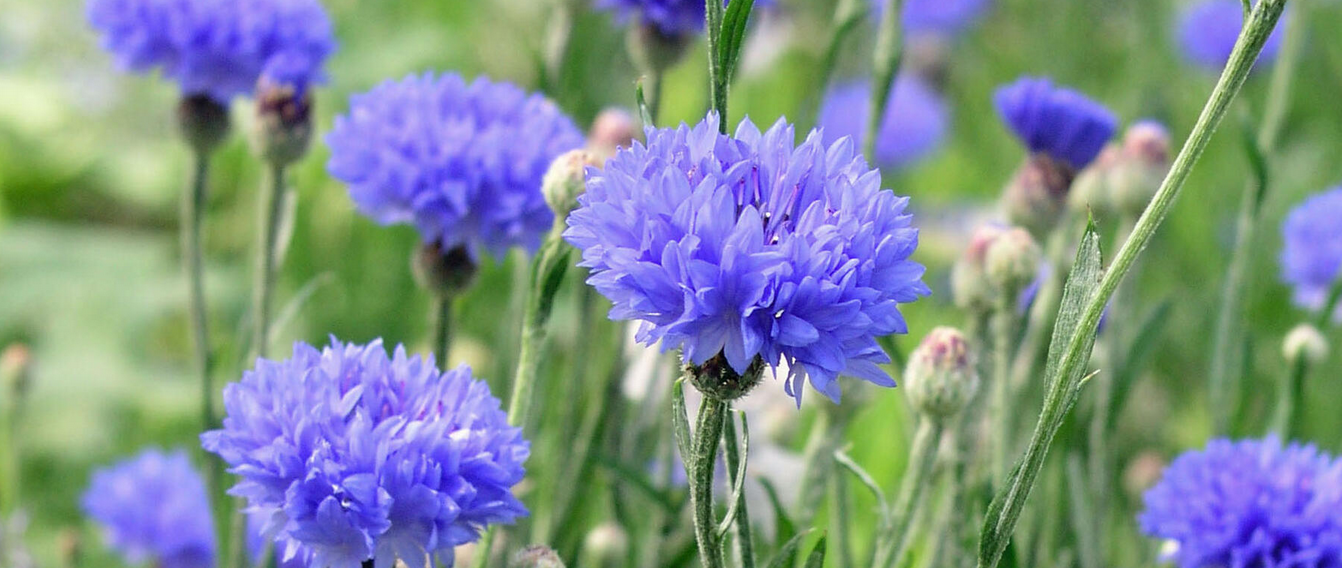
- Wachsen unkompliziert auf dem Balkon. Blütezeit Juni-September. 50-80 cm Wuchshöhe.
- Dekorative Blütenblätter schmecken zart und verschönern Salate und Süßspeisen. Insektenmagnet.
- Ab März vorziehen, direkt ins Beet ab Mitte April. Danach ist durchgehend bis September die Aussaat möglich. Wenn September, dann blühen sie im nächsten Jahr. Keimdauer 10-15 Tage. Keimen am Licht, daher nur hauchdünn mit Erde bedecken und leicht feucht halten. Wenn die Pflanze 4 Blättchen hat in Töpfe setzen und am Fensterbrett bei nicht zu viel Sonne wachsen lassen.
- Auspflanzen ab Mai an einem sonnigen Ort. Magerer Boden (nicht gedüngt!), keine nährstoffreiche Blumenerde, Wasser muss gut abfließen. Wenn man die Aussaattermine staffelt, verlängert man die Blütezeit.
- Sparsam gießen, Kornblumen sind Trockenheit gewohnt. Verträgt keine dauernässe.
- Verblühte Teile gleich entfernen.
- Trockene Blütenköpfchen kann man ernten und Samen fürs nächste Frühjahr aufheben.
Varieties
-
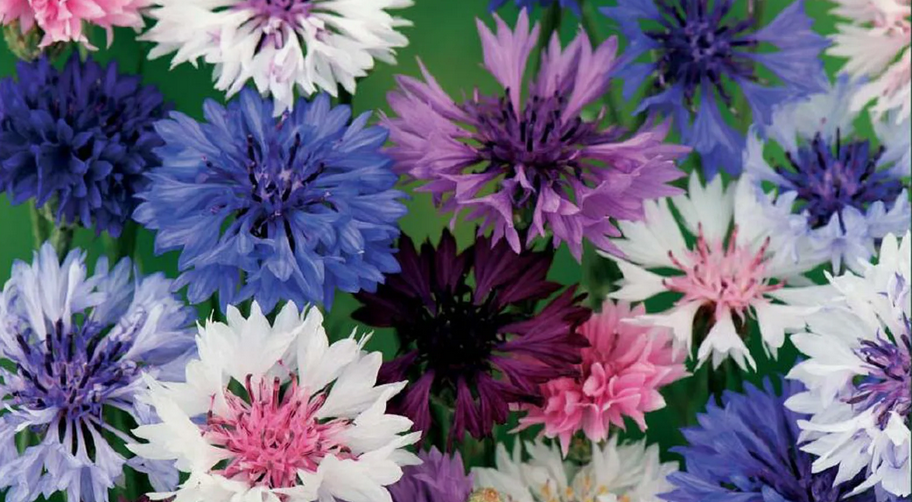
Blåklint “Polka Dot”. Blandningen innehåller rosa, röda, violetta och blåa nyanser samt vit. Sorten har ett buskigt växtsätt.: https://www.blomsterlandet.se/produkter/vaxter/froer/blomsterfroer/snittblommor/blaklint-polka-dot-6811/
-
Blåklint “Kejsar Wilhelm”: https://www.blomsterlandet.se/produkter/vaxter/froer/blomsterfroer/snittblommor/blaklint-kejsar-wilhelm-62230/
-
Gammaldags blåklint: https://www.blomsterlandet.se/produkter/vaxter/froer/blomsterfroer/rabattblommor/gammaldags-blaklint-71527/
Sonnenblume / Helianthus annuus / Solros
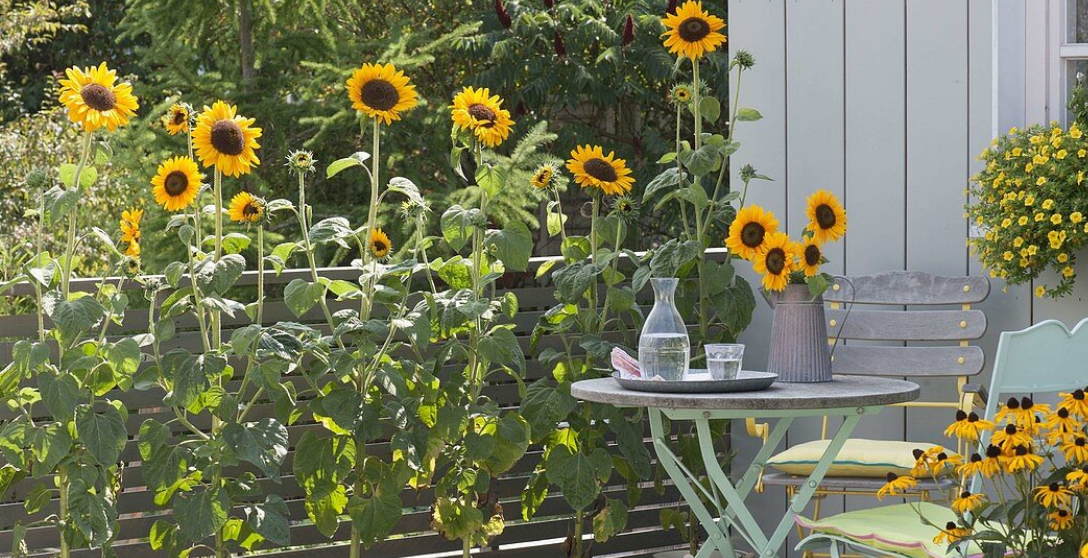
- Wachsen schnell und hoch.
- Brauchen viel Sonne und recht große Behälter (min. 30 cm Durchmesser und min. 25 cm Tiefe). Sollen als Solitärpflanzen gepflanzt werden (eine pro Topf).
- Extrem durstig - je größer desto mehr Wasserbedarf. Getrocknete Blätter erholen sich nicht mehr vollständig. Aber Staunässe vermeiden! Daher gute Drainageschicht in den Topf einfüllen.
- Brauchen viel Dünger, optimal ist ein stickstoffbetonter Dünger. Einmal pro Woche düngen, sonst bleiben die Blüten klein.
- Blühen von Ende Juni bis Oktober. Einjährig.
- Einfach von Samen gezogen ab April am Fensterbrett. Ab Mitte Mai kann man direkt aussäen. Auf ausreichend Abstand zwischen den Körnern achten.
- Einige Sorten verzweigen sich und blühen sehr lange. Diese sind besonders für Töpfe geeignet und werden ca. 120 cm hoch. Töpfe sollten groß und schwer sein, damit sie nicht kippen.
- Zwergsorten für Balkon: Big smile (35 cm), Pacino (30 cm), Teddybär (70 cm), Sunspot (60 cm), Sunny smile (50 cm), Garden statement (80 cm).
- Mittelgroße Sorten: Waooh (90 cm), Orange sun (140 cm), Piccolo (100 cm), Vanilla Ice (120 cm).
Varieties:
- Wild Mix: https://www.blomsterlandet.se/produkter/vaxter/froer/blomsterfroer/rabattblommor/solros-wilde-mixture-7877/
- Pollenfree mix: https://www.blomsterlandet.se/produkter/vaxter/froer/blomsterfroer/snittblommor/solros-mix-62261/
- Wahoo: https://www.blomsterlandet.se/produkter/vaxter/froer/blomsterfroer/rabattblommor/solros-waooh-72114/
- Moonwalker, buschig: https://www.blomsterlandet.se/produkter/vaxter/froer/blomsterfroer/rabattblommor/solros-moonwalker-7875/
- Ring of fire: https://www.blomsterlandet.se/produkter/vaxter/froer/blomsterfroer/snittblommor/solros-ring-of-fire-72111/
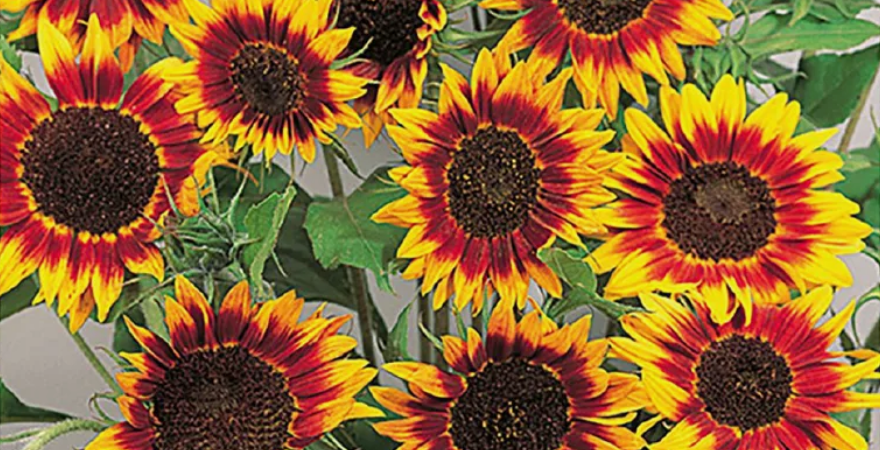
- Pachine Gold, buschig und klein: https://www.blomsterlandet.se/produkter/vaxter/froer/blomsterfroer/rabattblommor/solros-pacino-gold-7872/
Hollyhocks / Alcea / Stockrosen / Stockros
- Brauchen Platz für Wurzeln, genügend Nährstoffe und einen sonnigen, windgeschützten Platz. Vertragen keinen Nässe.
- Anzucht: im ersten Jahr bilden sich Blattrosetten, die Blüte zeigt sich im zweiten Jahr. Die Blumen sind winterhart und können in milden Regionen ohne extra Schutz am Balkon überwintern.
- Grow up to 6 ft. tall. Need a stake for support.
- Come in single and double flower varieties.
- Need full sun and shelter from wind. Can break in too much wind.
- Pots should be as large as possible. Well draining soil.
- Plant directly in May or June. Easy to grow from seed: keep moist, in warm and sunny spot. After about a month, transfer to larger pot and move outdoors.
- Best to grow against a wall or balcony railing.
- No need for fertilising or much care. Water once a week, perhaps more during hot weather.
- Prune off flower stems after the seed heads have burst and cut back the plant in autumn once it’s died back.
- Hollyhocks are perennials, so you could move the pots somewhere sheltered over winer and ensure the roots still get some water. If cared for properly, the plant should sprout again in spring.
Plants
Strawberries
Tips for huge harvest: https://www.youtube.com/watch?v=9MKkBy93yqA
Varieties
- Smultron “Regina”: https://www.plantagen.se/smultron-regina-rod-536017.html
Bought
- Weibulls Junior Månadssmultron Rügen
Soil
Torvfri planteringsjord
Medelhavsjord
Blomjord med leca
How much soil do I need? https://www.gartengnom.net/rechner/volumen/